Dental Bonding for Smile Enhancement on a Budget
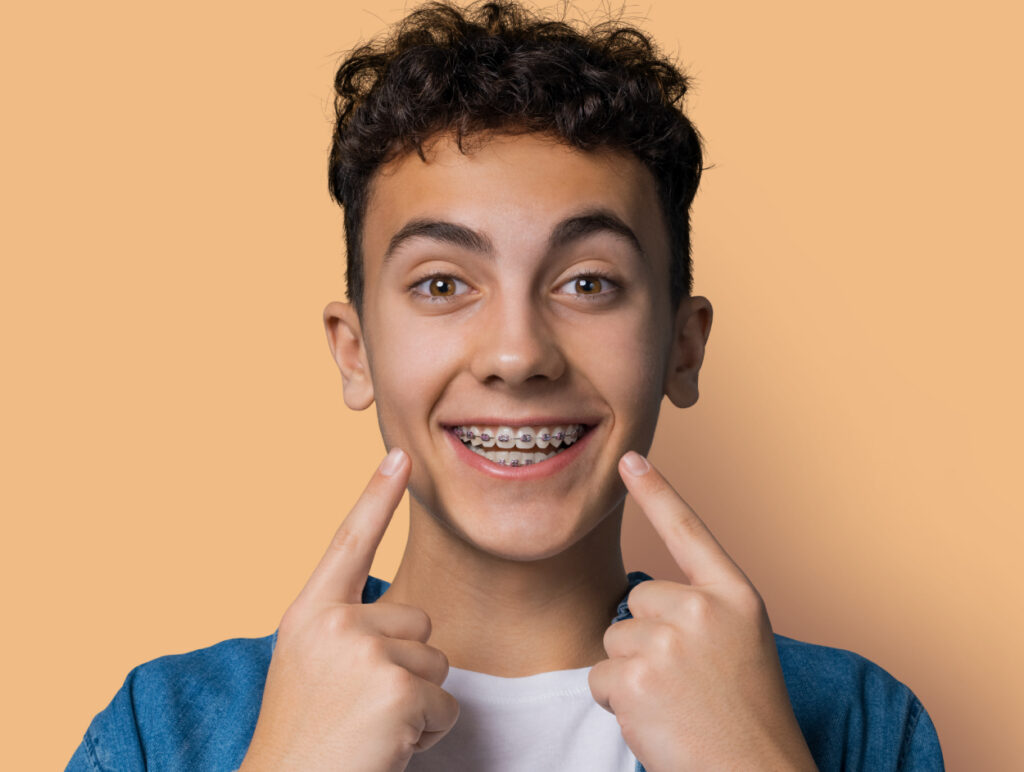

A better smile does not always require veneers, orthodontics, or a large treatment plan spread across several appointments. For many patients, dental bonding sits in the sweet spot between affordability and visible cosmetic improvement. It is one of the few procedures in cosmetic dentistry that can change how a smile looks in a single visit, often without drilling, without injections, and without the price tag people tend to associate with aesthetic dental work.
That combination explains why dental bonding comes up so often in everyday practice. A patient chips a front tooth on a coffee mug. Another has always disliked the small gap between the upper incisors but cannot justify the cost of porcelain veneers. Someone else finishes orthodontic treatment, only to notice that one lateral incisor is shorter or more pointed than the rest. These are not unusual cases. They are exactly the kind of concerns bonding was made for.
Still, the budget-friendly label can create the wrong impression. Less expensive does not mean careless, temporary in the flimsy sense, or cosmetically crude. Good bonding is highly technique-sensitive. The material must be chosen carefully, shade-matched properly, layered with restraint, and polished with enough skill to mimic the way natural enamel catches light. When done well, it can look remarkably refined. When done poorly, it can look opaque, bulky, or chalky within minutes.
The value of dental bonding is not just that it costs less. The real value is that it solves the right problems efficiently.
Where dental bonding fits in cosmetic dentistry
Dental bonding uses a tooth-colored composite resin to reshape or repair teeth. Composite is the same family of material used for many white fillings, though the approach for cosmetic bonding is different. Instead of simply plugging a cavity, the dentist sculpts the resin onto the tooth to improve color, contour, length, symmetry, or small defects.
This makes bonding especially useful for small to moderate cosmetic concerns. If the issue is subtle, bonding often gives a result that feels disproportionate to the cost. A tiny chip on a front tooth can draw the eye every time a person smiles. Correcting it may take less than an hour, yet the confidence effect can be significant.
In practice, dental bonding tends to work best when patients want improvement rather than absolute perfection. That distinction matters. Porcelain veneers remain the more durable and color-stable option for major smile makeovers, especially in people seeking broad changes across multiple front teeth. Bonding, by contrast, shines when the teeth are fundamentally healthy and well positioned, and only need selective refinement.
A few common examples illustrate where it excels. A patient may have worn edges from years of grinding but not enough damage to justify crowns. Another may have naturally undersized lateral incisors, creating black triangles or uneven proportions near the front of the smile. A third may want a test run before committing to more extensive cosmetic treatment later. In each case, bonding offers a conservative path.
That conservative aspect is one of its strongest advantages. Many bonding cases require little or no removal of natural tooth structure. In a field where irreversible treatment deserves respect, that matters.
Why patients choose bonding when budget matters
Price is often the first question, and rightly so. Cosmetic dentistry can become expensive quickly, especially when multiple teeth are involved. While exact fees vary by region, dentist experience, case complexity, and how many surfaces are being altered, dental bonding usually costs a fraction of what porcelain veneers or crowns would cost.
For someone enhancing one or two teeth, that can be the difference between moving forward now and postponing treatment indefinitely.
Cost alone, though, is only part of the appeal. Bonding also saves in other ways. It often takes one visit. There are no lab fees in most direct bonding cases. There is usually no temporary restoration and no waiting period while a laboratory fabricates final porcelain. Time off work is lower. Anxiety tends to be lower too, especially for patients who are nervous about drills or needles.
The practical advantages become even clearer when the cosmetic issue is limited. If one front tooth has a corner chip, a full veneer may solve it, but it can be hard to justify the added expense and irreversible enamel reduction. Bonding addresses the actual problem with less intervention.
That said, budget-minded treatment should never mean choosing the cheapest option without considering lifespan. A lower upfront fee can be false economy if the material is placed in a situation where it predictably chips, stains, or needs frequent maintenance. Experienced dentists think in terms of value over time, not just day-one price.
What dental bonding can realistically improve
The best bonding cases are the ones where the material is being asked to do a modest, precise job. Composite resin is versatile, but it is not magic. It performs best when expectations align with what the material can support.
Dental bonding commonly helps with the following:
- Small chips or worn edges on front teeth
- Minor gaps between teeth
- Teeth that look slightly too short, narrow, or uneven
- Localized discoloration that does not respond well to whitening
- Small shape corrections after orthodontic treatment
Those categories cover much of what drives people to seek cosmetic touch-ups. The key word is minor. Bonding can close a diastema, but a very large gap may create awkward proportions if resin alone is used. It can lengthen a tooth, but not indefinitely if the bite places heavy stress on the edge. It can mask discoloration, but very dark underlying tooth structure can sometimes show through unless enough thickness is added, which may affect the natural look.
This is where judgment matters. Some smiles are transformed by one or two subtle additions of composite. Others are better served by whitening first, orthodontics first, or a different restorative plan altogether.
The appointment itself, simple on the surface, technique-heavy underneath
Patients are often surprised by how straightforward the appointment feels. In many cases, the tooth is lightly roughened, a conditioning gel is applied, and the resin is bonded in layers. The dentist shapes it while the material is still moldable, hardens it with a curing light, then trims and polishes until it blends with the neighboring teeth.
What patients do not always see is how much precision is hidden inside that process.
Shade selection alone is more nuanced than matching a single color tab. Natural teeth are not one flat shade from gumline to edge. They have varying translucency, brightness, and surface texture. The edge of a front tooth may be more translucent than the center. One area may carry a warm undertone, another a cooler one. Skilled bonding often uses layering techniques to mimic these optical effects rather than creating a monochrome block of resin.
Then there is contour. The difference between natural and artificial often comes down to tenths of a millimeter. If the line angles are too wide, the tooth looks bulky. If the incisal edge is too flat, the smile may look older or less lively. If the polish is too dull, the bonded area can stand out even when the shade is close.
This is why before-and-after photos from real cases are useful when choosing a provider. Cosmetic bonding is not simply a commodity. It is part materials science, part hand skill, part aesthetic restraint.
Bonding versus veneers, a practical comparison
Patients often ask whether bonding is “as good as” veneers. That question is too broad to answer well, because the right comparison depends on the case.
Porcelain veneers are stronger, more stain-resistant, and generally more stable over time. They also cost more, usually require at least some enamel reshaping, and involve multiple steps. Dental bonding is more conservative, less expensive, and easier to repair, but it is also more vulnerable to wear and staining.
The most useful way to think about the choice is this: bonding is often the better first option for smaller changes, younger patients, trial smile design, or anyone who wants to preserve tooth structure and control cost. Veneers become more attractive when the desired changes are larger, when there are multiple aesthetic issues across several front teeth, or when long-term color stability is a top priority.
Age can influence the decision too. On a younger adult with healthy enamel and mild cosmetic concerns, many dentists prefer bonding first. It preserves options. Teeth are not improved by repeatedly escalating treatment intensity over a lifetime. Starting conservatively is often smart dentistry.
Durability, maintenance, and the truth behind “temporary”
One reason some people hesitate is that they have heard bonding is temporary. That word needs context. Bonding is not permanent in the sense that it will never need maintenance, but neither are https://zanderelpy743.scriblorax.com/posts/dental-bonding-for-small-spaces-between-teeth veneers, crowns, or even natural teeth. All restorations age. They wear, stain, chip, or require replacement eventually.
In real-world use, cosmetic bonding may last anywhere from a few years to much longer depending on location, bite forces, oral habits, and how much resin is used. A tiny bonded chip repair on a front tooth that is not heavily loaded may look good for many years. A long edge build-up on a patient who grinds at night may need touch-ups sooner. The material performs differently on the corner of an upper central incisor than it does closing a gap in someone with edge-to-edge bite contact.
The cases that struggle are usually predictable. Nail biting, chewing ice, opening packages with the teeth, frequent red wine or coffee exposure, smoking, and untreated grinding all shorten the cosmetic life of bonding. So does neglecting polishing or avoiding routine dental care.
What helps is simple, consistent maintenance. A night guard can dramatically extend the life of bonding in a grinder. Regular hygiene visits help remove surface stain. Prompt repair of a small chip prevents a bigger fracture later. Composite is more repairable than porcelain, which is one reason many dentists appreciate it despite its limitations.
A practical maintenance checklist looks like this:
- Use a night guard if you clench or grind
- Avoid biting hard objects with bonded front teeth
- Keep up with cleanings and polish appointments
- Limit heavy staining habits when possible
- Ask for small repairs early, before damage spreads
That sort of discipline does not make bonding indestructible, but it can make it a very worthwhile investment.
The cosmetic strengths people often underestimate
One of the more interesting things about dental bonding is how much can change with very little material. The public tends to think in dramatic before-and-after terms, but dentistry often works best in the subtle zone.
For example, a patient might not have obviously crooked teeth, just a mild asymmetry that catches light unevenly in photos. One central incisor may be slightly shorter. One canine may look too sharp. Tiny spaces near the gumline may create dark shadows that make the smile seem older. Strategic bonding can soften or balance these details quickly, often without anyone being able to identify exactly what changed. They simply register that the smile looks cleaner, smoother, or more even.
That subtlety is a major strength. Not everyone wants the polished uniformity that porcelain veneers can sometimes produce, especially if the work is overdesigned. Many adults want to keep their natural smile character while correcting distractions. Composite is excellent for that.
I have seen some of the happiest bonding patients react not to a major transformation, but to relief. They stop hiding one side of their smile. They stop covering their mouth in meetings. They stop cropping out close-up photos. The treatment is modest, but the behavioral shift is not.
When bonding is the wrong bargain
There are cases where choosing dental bonding because it is cheaper becomes a mistake. The classic scenario is a patient with significant crowding, major bite issues, or severe discoloration who wants a quick cosmetic fix. Bonding can sometimes camouflage the problem for a while, but if the foundation is wrong, the resin ends up carrying more than it should.
Take spacing, for instance. Closing a very wide gap with bonding alone may create teeth that look unnaturally broad. In that case, orthodontics may be the more elegant route, even if it takes longer. The same principle applies to a dark tooth after trauma. Bonding can mask it in some situations, but internal discoloration may show through or require enough opacity that the tooth loses depth and realism. Whitening, internal bleaching, or a different restorative plan may make more sense.
Heavy bite forces are another warning sign. Patients with strong parafunctional habits, especially untreated grinders, can break even well-done bonding if too much length or edge support is added. Sometimes the best answer is not to refuse treatment, but to redesign it conservatively and insist on protective measures.
Then there is the patient seeking movie-set perfection on a bonding budget. That expectation often leads to disappointment. Composite can be beautiful, but it does not behave exactly like porcelain over time. It needs upkeep. It can pick up stain at the margins. Surface gloss can diminish. Anyone considering bonding should understand that the lower entry cost is tied to a different maintenance profile.
Choosing the right dentist matters more than many people realize
Because bonding is relatively accessible, patients sometimes shop for it as though it were interchangeable from office to office. It is not. The quality spread can be wide.
A dentist who enjoys cosmetic finishing, understands smile proportions, and works carefully with composite can create a result that looks soft, balanced, and natural. A rushed operator can leave the tooth too flat, too opaque, or slightly overbuilt. That difference may not show on the treatment day under bright operatory lights, but it becomes obvious in daylight and photographs.
If you are considering dental bonding, ask to see examples of similar cases. Focus less on dramatic transformations and more on the realism of the final result. Do the teeth still look like teeth, or do they look shiny and generic? Are the edges believable? Does the shape suit the face? Natural cosmetic dentistry is usually a sign of strong judgment.
Communication matters too. Patients often describe what they dislike in vague terms, “this tooth looks weird,” “my smile feels off,” “something is uneven.” A good cosmetic dentist translates that into anatomy and options. Sometimes the answer is bonding. Sometimes it is enamel polishing. Sometimes it is whitening first, then reassessing. Good planning often saves money by avoiding treatment that does not target the real issue.
Budget strategy, how to get the most from bonding without regretting it
When cost is a concern, the smartest approach is not simply asking for the cheapest fix. It is identifying the change that will produce the biggest visual improvement for the least intervention.
That may mean treating only one or two teeth first. In smile design, not every tooth carries equal visual weight. The upper front teeth dominate attention. A small correction there can make the whole smile look more harmonious. Patients are sometimes surprised that selective treatment gives them the result they wanted without expanding into a full cosmetic case.
It can also mean sequencing care properly. If whitening is planned, it usually makes sense to whiten first because bonded composite does not lighten the same way natural enamel does. Matching bonding to the post-whitened tooth shade is more efficient than replacing otherwise good bonding later because the surrounding teeth changed.
Another budget-conscious move is to be honest about habits. If a patient drinks several coffees a day, smokes, and grinds at night, bonding may still be worthwhile, but only if the maintenance plan reflects reality. Spending less upfront and more repeatedly on preventable repairs is frustrating for everyone.
The best value comes when treatment choice, bite conditions, and patient habits all line up.
What a good result feels like over time
The day bonding is placed, the visible difference tends to dominate the conversation. A few months later, the more important measure emerges: does the smile feel easy? Does it blend into daily life? Can the patient laugh, eat, speak, and be photographed without thinking about the restored area?
That is the real benchmark. The best dental bonding does not announce itself. It restores normalcy. The chip is gone. The gap no longer pulls focus. The uneven tooth stops catching the eye. The patient forgets the tooth because it finally looks and feels right.
For people who want a meaningful smile upgrade without the cost and commitment of more extensive cosmetic dentistry, bonding remains one of the most practical tools available. Not because it is cheap, but because in the right case, it is efficient, conservative, and surprisingly elegant.
A budget smile enhancement should never feel like settling. With sound case selection and careful execution, dental bonding can be a smart investment in both appearance and confidence, especially when the goal is thoughtful improvement rather than cosmetic excess.
Toothworks of Bakersfield, Dentist and Orthodontist
Address: 1030 H St #1, Bakersfield, CA 93304
Phone number: +16613239421
FAQ About Dental Bonding
How long does dental bonding last?
Dental bonding typically lasts between 3 and 10 years (averaging about 5 to 8 years) before it needs a touch-up or replacement. Its lifespan depends heavily on your daily habits, where the bonding is placed in your mouth, and how well you care for your teeth.
How expensive is bonding a tooth?
Dental bonding typically costs between $100 and $600 per tooth, with a national average of about $431 per tooth.
What are the downsides of dental bonding?
Dental bonding has several drawbacks, including lower durability, a shorter lifespan, and a tendency to stain compared to alternatives like porcelain veneers.